Sourdough Spelt Bread: Nutty, Tender, Lower Gluten
A gentle sourdough spelt bread using 400 g spelt flour, 300 g water, 100 g starter and salt. Spelt's weak gluten means a short mix and a soft, nutty, wholesome loaf you can bake as 100% or blended.
By Maya Ellison · Reviewed by Maya Ellison · Updated August 29, 2026 · 3 min read
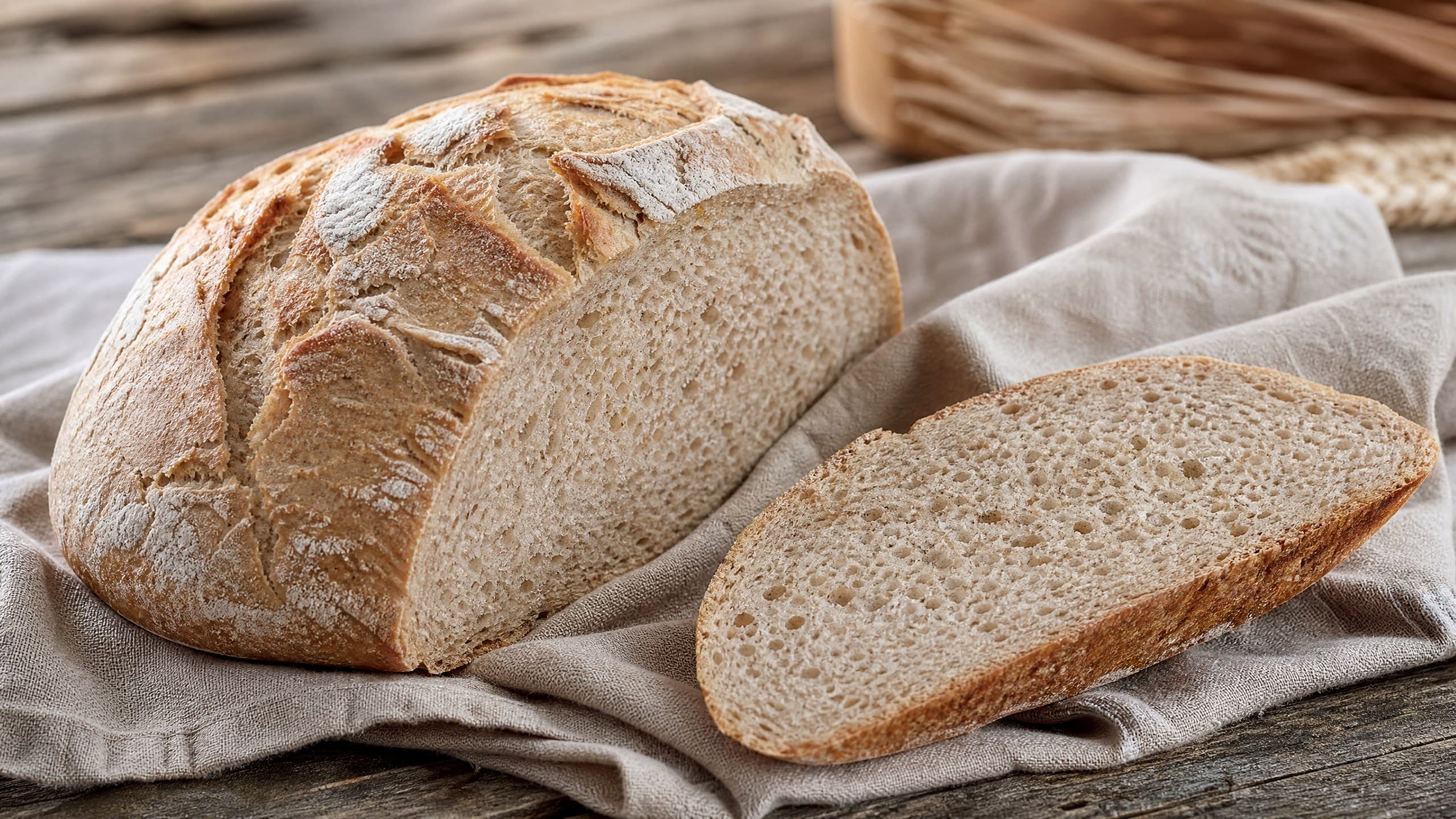
Sourdough spelt bread is the gentle, wholesome cousin of a wheat loaf: 400 g spelt flour, 300 g water, 100 g starter and salt, mixed for just a minute or two because spelt's fragile gluten can't take a long knead. The result is a soft, tender, nutty crumb with a wholesome sweetness that plain wheat bread never quite reaches. Handle it lightly and it rewards you.
Why this recipe works
Spelt is an ancient grain with a weak, fragile gluten network. That sounds like a drawback, but it's the whole charm: the loaf stays tender and digestible, with a rounded, almost sweet, nutty flavor. The trade-off is that you can't bully it like bread flour.
| Ingredient | Percentage | Weight (this recipe) |
|---|---|---|
| Spelt flour | 100% | 400 g |
| Water | 75% | 300 g |
| Active starter | 25% | 100 g |
| Salt | 2.25% | 9 g |
Keep hydration at 75% and the mix short. Push either one and the loaf turns to paste.
The stages, in order
The mix is deliberately brief. One to two minutes by hand, just until the flour drinks the water. Spelt hydrates fast and its gluten forms instantly — then degrades if you keep working it.
The folds are few and soft. Two or three gentle stretch-and-folds in the first hour build what little strength you need without snapping the gluten.
Bulk fermentation is shorter and gentler than wheat. Look for "puffy and a bit domed," not a dramatic double. Spelt over-proofs into a pancake faster than you'd expect.
Shaping uses light hands. Preshape, short rest, then a gentle boule. Don't crank surface tension the way you would on a wheat batard.
Baking is a touch quicker. Spelt crusts and sets faster; pull it when it's golden, not deep mahogany.
Common mistakes (and the fix)
- Gummy, dense crumb: overmixed or underbaked. Mix 1-2 minutes only and give the full 2-hour cool.
- Flat, spread loaf: over-proofed or shaped too tightly. Shorten the final proof and handle gently.
- Tough, dry texture: too much strong flour or too long a bake. Keep it at least 50% spelt and watch the color.
- Torn, ragged crust: scored too deep. Spelt wants a single shallow slash, not a bold cut.
Serving ideas
Spelt bread shines with soft toppings — butter and honey, fresh cheese, or a simple tomato and olive oil. Its tender crumb makes beautiful toast. For more on flour choice, the bread flour vs all-purpose guide explains protein and behavior, and the sourdough starter guide gets your starter ready.
Before you bake
Start with an active sourdough starter — if it needs reviving, the sourdough starter guide walks you through it. The dough poke test is your best friend for spelt's quick proof, and the sourdough troubleshooting hub covers anything that goes wrong. New to the craft? The beginner's guide to sourdough has the basics.
Ingredients
Weights in grams are the source of truth; cup measures are approximate.
- 400 g spelt flour (about 3 1/4 cups), or swap 200 g for bread flour if you want a stronger loaf
- 300 g water at 80-85°F / 27-29°C (about 1 1/4 cups), plus 20 g for the starter
- 100 g active sourdough starter (about 1/3 cup), fed to peak
- 9 g fine sea salt (about 1 3/4 teaspoons)
Method
Mix: combine the spelt flour, 300 g water and active starter in a bowl. Mix with your hand until no dry flour remains. Spelt is thirsty and soft, so the dough comes together fast — 1-2 minutes is enough, do not overmix.
Add salt: sprinkle the salt over the dough and pinch it in until dispersed. The dough will feel soft and a little sticky, nothing like a taut wheat dough.
Rest (short bulk): cover and ferment at 74-78°F (23-26°C). Because spelt gluten is weak, give it just 2-3 gentle stretch-and-folds 30 minutes apart in the first hour, then leave it alone.
Bulk ferment: continue bulk until the dough is puffy and slightly domed, about 3-4 hours on the counter. It will not double dramatically and should not be pushed to a stiff wheat-loaf rise or it will collapse.
Shape: turn onto a lightly floured surface, preshape into a round and rest 15 minutes (spelt needs less rest than wheat). Shape into a gentle boule or batard with light hands — too much tension tears the weak gluten.
Proof: place seam-side up in a floured banneton, cover and proof 45-60 minutes at room temperature, or 10-12 hours in the fridge. Spelt proofs quickly, so watch it closely.
Score and bake: preheat a Dutch oven to 475°F (245°C), flip the dough onto parchment, score lightly (one shallow slash), and bake covered 25 minutes, then uncovered at 450°F (230°C) for 15-20 minutes until golden.
Cool completely: transfer to a rack and wait at least 2 hours. Spelt loaves are tender and need the full cool to set their crumb.
Frequently asked questions
Why does spelt bread need a shorter mix than wheat?
Spelt has fragile, low-gluten protein that develops and breaks down quickly. A long mix or heavy kneading overworks it and the loaf turns slack and gummy. Mix just until combined, use a few gentle folds, and let fermentation do the work.
Can I make 100% spelt sourdough bread?
Yes — use 400 g spelt and expect a softer, more delicate, closely-textured loaf with a wonderful nutty sweetness. It won't have a wide open crumb, and it benefits from a slightly shorter bake and careful, gentle handling.
Is spelt bread lower in gluten?
Spelt contains gluten but its protein structure is weaker and more fragile than modern wheat, which is why the dough feels soft and the crumb is tender. It is not gluten-free, so it is not safe for celiac diets.
Why did my spelt loaf come out gummy?
Almost always overmixing or under-baking. Keep the mix short, don't over-proof, and give the loaf the full 2-hour cool — spelt's soft crumb holds steam and needs that rest to firm up.