Sourdough Discard Pie Crust
A flaky sourdough discard pie crust using unfed starter for a subtle tang and tender, layered pastry, with single and double crust notes.
By Maya Ellison · Reviewed by Maya Ellison · Updated August 29, 2026 · 2 min read
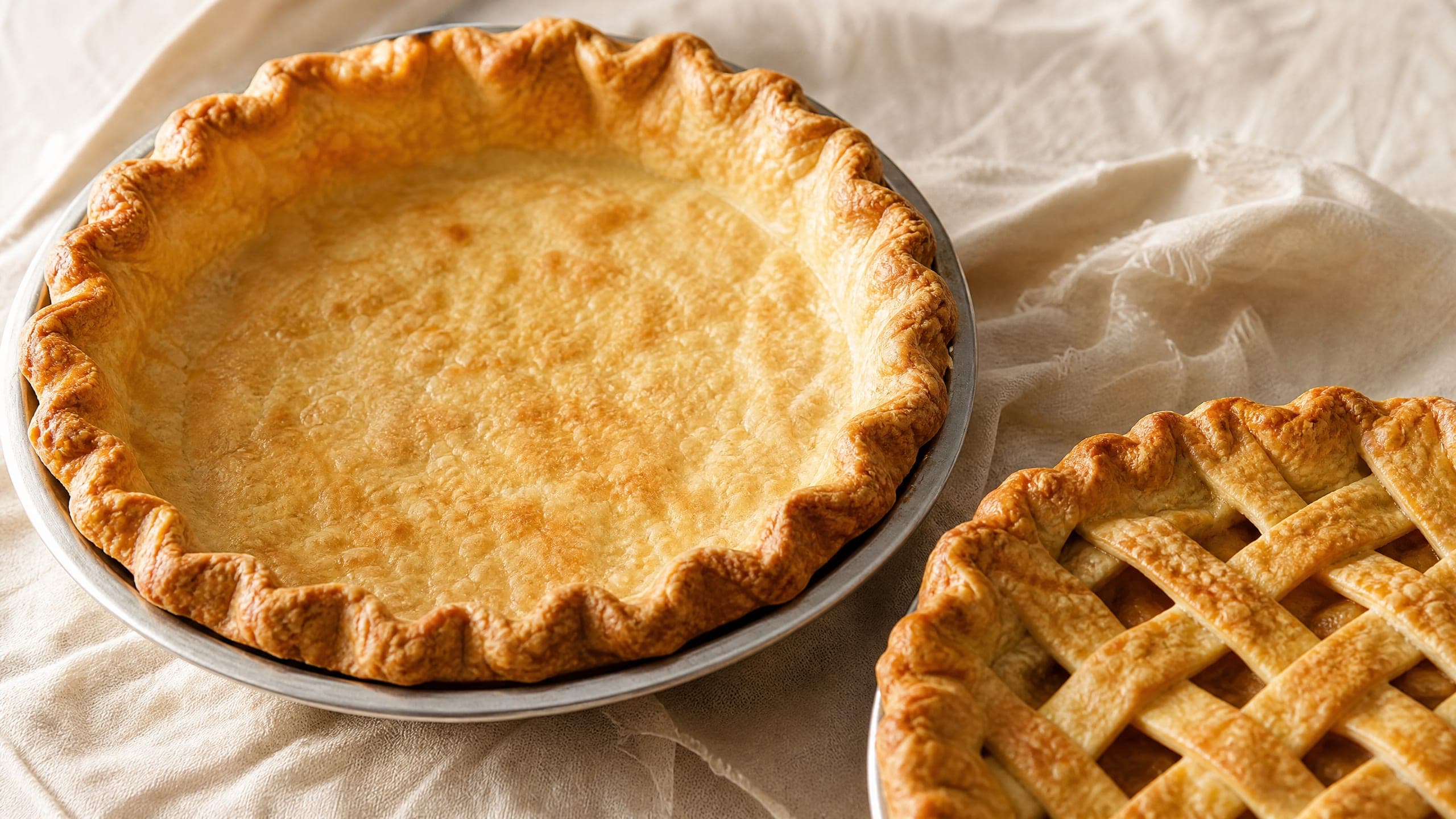
Sourdough discard pie crust is the happy home for that jar of unfed starter you keep meaning to use: cold discard mixed into flour and butter for a flaky, tender pastry with a subtle sour note that makes both sweet and savory pies taste a little more interesting. You don't need an active starter here — the crust gets its structure from butter and a deft hand, not fermentation. It's the easiest way to spend discard with real payoff.
Why this recipe works
The discard acts like a tangy soft flour: its acids tenderize the gluten while its sugars encourage a deeper brown. Because it's already a wet slurry, you cut back the ice water so the dough stays workable, not sticky. Cold butter and a real rest are what make the layers flaky.
| Ingredient | Weight |
|---|---|
| Sourdough discard | 200 g |
| All-purpose flour | 250 g |
| Cold butter | 150 g |
| Salt | 5 g |
Think of the discard as part flour, part water — and adjust the ice water down.
Single vs double crust
For a single crust, roll one disk, fit it, and crimp the edge; blind-bake for custards. For a double crust, fill the bottom, lay the second disk on top, crimp, and cut a few vents so steam escapes and the top stays crisp. The discard browns faster, so watch the edges and shield with foil if needed.
Common mistakes
- Tough crust: too much water or over-mixing. The discard is wet — go easy on ice water.
- Shrinking in the pan: skipped the chill. Rest the fitted crust before baking.
- Pale, soggy bottom: oven too cool or unfit properly. Preheat well and use a metal pan.
- Burnt edges: discard sugars caramelize fast. Foil the rim if it darkens early.
Before you bake
Your discard doesn't need feeding for this — just pull it from the fridge. For more ways to spend the jar, the sourdough discard recipes hub has plenty, and the sourdough starter guide covers keeping a healthy culture. If a bake goes sideways, the sourdough troubleshooting hub can help, and storage advice is in the bread storage guide.
Ingredients
Weights in grams are the source of truth; cup measures are approximate.
- 200 g sourdough discard (unfed, straight from the fridge)
- 250 g all-purpose flour
- 150 g cold unsalted butter, cubed
- 5 g fine sea salt
- 15 g sugar (optional, for sweet pies)
- 30-45 g ice water, as needed
Method
Pulse or cut the cold butter into the flour, salt and sugar until the pieces are pea-sized with some larger flakes.
Add the sourdough discard and cut it in until the mixture looks shaggy and clumpy.
Sprinkle ice water a tablespoon at a time and mix just until the dough gathers — discard adds moisture, so use less water than a standard recipe.
Divide, press into disks, wrap, and chill at least 2 hours (or up to 2 days) so the flour hydrates and the butter firms.
Roll one disk for a single crust and fit it into the pan; for a double crust, roll the second and lay it over the filling, crimping the edges.
Bake as your pie recipe directs, typically 375-425°F (190-220°C). A discard crust browns a touch faster thanks to the starter's sugars.
Frequently asked questions
Does the discard need to be active?
No — this is one of the few bakes where unfed, fridge-cold discard is exactly right. The crust doesn't rely on the starter for lift, just for flavor and tenderness, so a sleepy jar works perfectly.
Why is my crust tough?
Over-mixing or too much water. The discard already adds moisture, so add ice water sparingly and stop as soon as the dough holds together.
Can I make it ahead?
Yes — the dough keeps 2 days in the fridge or 3 months frozen. A longer chill actually improves the flavor as the flour fully hydrates.
Single vs double crust?
Use one disk for a single crust (custard, pudding pies) and both for a double (fruit pies). For a double crust, cut vents in the top so steam escapes.