Best Bread Proofing Box for Sourdough
How to choose a bread proofing box for sourdough: temperature and humidity control, size and fit for bulk fermentation — plus our pick for cold kitchens.
By Maya Ellison · Reviewed by Maya Ellison · Updated August 29, 2026 · 3 min read
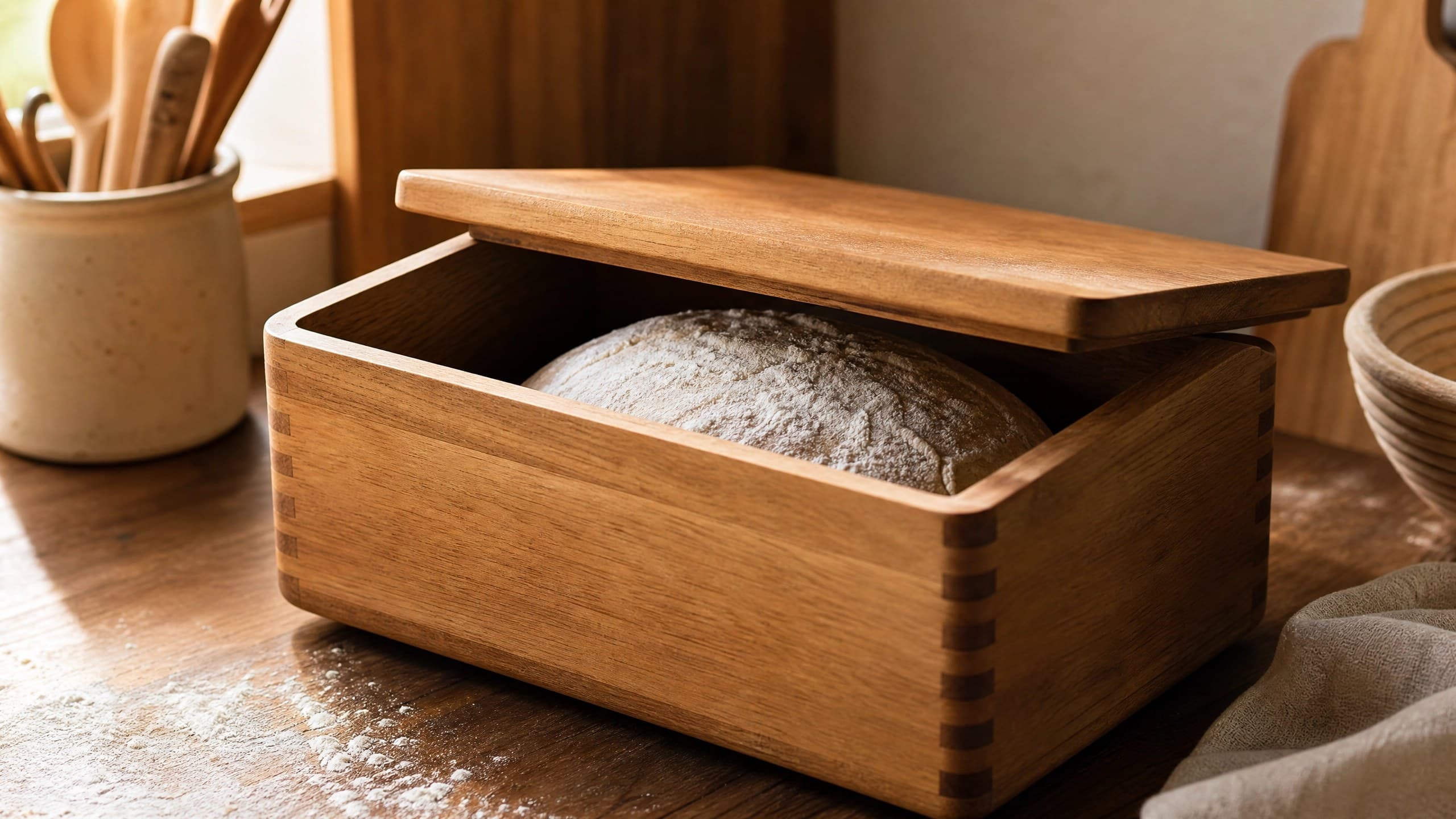
Quick answer
A bread proofing box for sourdough is the quiet hero of a consistent bake. Sourdough doesn't fail in the oven as often as it fails on the counter: too cold and bulk fermentation crawls for hours past the recipe; too warm and the starter eats the dough before you're ready. A proofing box removes the kitchen from the equation and gives your dough a steady, warm, humid home for the hours it needs to rise.
Why a proofing box matters for sourdough
Unlike commercial yeast, sourdough runs on a living culture with a wide comfort zone — and a narrow sweet spot. At 21°C (70°F) a bulk ferment might take 5–6 hours; at 26°C (79°F) it's closer to 3. That swing turns "bulk until 50% rise" into either a missed window or a blowout. A proofing box holds the temperature so your timings actually mean something, bake after bake.
The honest take: you don't need one if your kitchen sits comfortably in the mid-20s°C and stays there. You need one if winter turns your counter into a refrigerator, if drafts stall your starter, or if you want repeatable results instead of weather-dependent ones.
What to look for in a bread proofing box
- A real thermostat, 24–28°C range. Set it and forget it. A box that only "keeps things warm" without a number leaves you guessing.
- Humidity control or a sealed chamber. Keeps the dough surface from skinning during a long bulk. A simple lid over the bowl covers most needs.
- Room for your vessels. It must fit your largest covered mixing bowl or two bannetons. Measure before you buy.
- Even heat, no hotspots. A small fan or well-designed chamber prevents one side of the dough rising faster than the other.
- A view without heat loss. A window or translucent lid lets you watch the dough without opening the door and dumping the warm air.
- Stable, food-safe interior. Easy to wipe, no off-gassing materials near the dough.
Types of proofing setup compared
| Type | Good for | Control | Cons |
|---|---|---|---|
| Commercial countertop proofer | Regular bakers, precise ferment | Thermostat + humidity | Costs real money, takes counter space |
| Insulated box + heat mat + thermostat | DIY-minded bakers | Good, with tuning | Fiddly, less precise |
| Oven with light (off) | Occasional warm spot | Rough | Uneven, no humidity, easy to overheat |
| Cooler + warm water bowl | Cold kitchens, cheap fix | Loose | Needs water swaps, no exact number |
Our recommendation
Two honest caveats. A proofing box controls the environment, not the dough — you still have to read signs like doming, jiggle and 50% rise; it won't tell you when bulk is done. And if your kitchen is already warm and stable year-round, the box is a luxury, not a lever. Buy it to remove cold-kitchen chaos, not to fix a recipe that isn't fermenting for other reasons.
Buy on AmazonWant to read the dough instead of the dial? The bulk fermentation guide explains the signs to watch for, and the beginner's guide to sourdough covers warm-spot tricks before you invest. A kitchen scale keeps your fermentation math exact while the box holds the temperature.
Frequently asked questions
Do I really need a proofing box for sourdough?
Not strictly. Sourdough ferments on a counter at room temperature just fine in a warm home. A proofing box matters when your kitchen is cold, drafty, or swings in temperature — conditions that make bulk fermentation slow and unpredictable. It trades guesswork for a steady, repeatable environment.
What temperature should a sourdough proofing box hold?
Most sourdough bulk ferments happily at 24–28°C (75–82°F). Cooler slows everything; warmer risks over-fermentation and a sour, weak dough. A box with a real thermostat you can set in that range is the feature that makes it worth buying.
Is humidity control necessary, or just warmth?
Warmth does most of the work; humidity keeps the dough skin from forming on the surface during a long bulk. A box that holds humidity, or a simple lid or shower-cap over the bowl inside it, prevents a tough skin that later cracks in the oven. If your box is dry, cover the dough — you don't need a humidifier built in.
Will a proofing box fit my bowls and bannetons?
Check the interior dimensions against your largest covered bowl or proofing basket. Many home units fit a 5–7 quart bowl or two bannetons side by side. If your dough vessels are oversized, a larger cabinet-style proofer — or a DIY insulated box — is the better fit.
Can I make a DIY proofing box instead of buying one?
Yes. A cooler or insulated bin with a bowl of warm water, or a seedling-heat-mat with a thermostat under a covered container, holds a steady warm spot for far less money. The trade-off is less precise control and more fiddling — a commercial box just turns a dial and holds the number.